High Gas Bill? Furnace Checks for San Angelo Homes
A high gas bill does not automatically mean your furnace is failing. Start by comparing gas usage, billing days and the rate charged. If usage has increased and the house is harder to heat, investigate airflow, thermostat settings and heat loss before assuming you need a new system.
For a San Angelo homeowner, the useful question is not simply “Why is my bill higher?” It is “Did I buy more gas, pay more for the same gas, or both?” This guide helps you organize those clues and decide whether to call your utility or request furnace repair in San Angelo.
1. Compare usage before comparing dollars
Put the latest bill beside a comparable previous bill. Write down the start and end dates, whether the meter reading was actual or estimated, units consumed, unit price and fixed charges. A longer billing period can make the total look alarming even when daily consumption has changed little.
| What changed? | What to check next |
|---|---|
| Cost rose; daily gas use stayed similar | Ask the utility about rates, fees and billing adjustments. |
| Gas use rose during colder weather | Compare thermostat schedules, occupancy and heat loss. |
| Usage rose and heating performance fell | Arrange an equipment and airflow assessment. |
| The bill seems inconsistent with the meter period | Request a billing explanation before buying HVAC parts. |
For example, 90 units over 30 days is 3 units per day. Over 35 days, the same daily usage becomes 105 units. This is an illustration, not a normal-usage benchmark for your house. Compare the same units shown on your own statements.
2. Separate furnace use from other gas appliances
A water heater, range, dryer or fireplace may also use gas. A gas bill cannot identify which appliance consumed it. Consider recent changes such as house guests, more hot-water use or additional fireplace use. If your heating is electric, a furnace cannot directly explain increased gas consumption.
Energy supplier Constellation identifies weather, equipment efficiency and insulation as possible reasons for higher consumption. Its gas-bill explanation is useful background, but your current statement and utility are the right sources for your actual rate.
3. Check airflow and thermostat habits safely
Record the set temperature and schedule. Note whether someone changed a hold setting or started heating more rooms. Keep normal supply and return grilles clear of furniture. Inspect an accessible filter only as instructed in the equipment manual, with the system switched off as directed. Use the specified size and suitable filter type.
The Department of Energy explains that a clogged HVAC filter can restrict airflow and increase runtime and energy consumption. That does not prove a dirty filter caused your entire bill increase. If filter selection is unclear, review our home air-filter guidance and ask a technician to confirm compatibility.
4. Look for heat loss and recurring symptoms
Make a room-by-room note of drafts, uneven warmth and blocked grilles. Record whether the furnace starts and stops repeatedly, runs much longer than before or fails to reach the thermostat setting. These observations help a technician investigate; they do not identify a failed component by themselves.
Do not adjust gas valves, remove burner assemblies or bypass safety switches. A professional assessment may include combustion, venting, thermostat operation, airflow and duct condition. ENERGY STAR’s maintenance checklist separates routine care from equipment checks best handled by a contractor.
5. Decide between a billing question, repair and replacement
Contact the utility first when the unexplained change is in pricing or meter adjustments. Request service when higher consumption comes with poor heating or repeated operating problems. Before approving work, ask for the diagnosis, proposed repair, complete price and applicable warranty in writing.
A high bill alone is not a reason to replace a furnace. If a confirmed fault is expensive or problems keep returning, compare repair costs with heating-system replacement options. Include installation scope and your home’s heating needs in that comparison, rather than choosing solely by advertised efficiency.
Frequently asked questions
Can a dirty furnace filter increase my gas bill?
Restricted airflow can affect runtime and system performance. Check it according to the manual, but also compare billing days, rates, weather and other appliances. A filter change is not a guaranteed bill reduction.
Why is my gas bill high when the furnace is off?
Review other gas appliances, fixed charges and estimated-reading adjustments. Ask the utility about unexplained use. If you suspect a leak, leave and use the emergency steps above.
Should I replace my furnace because my bill doubled?
No diagnosis follows from the bill alone. Verify the statement, identify operating symptoms and request a written assessment before making a replacement decision.
Need help with a heating problem?
Call 877-651-9143 to request service in San Angelo. Share your equipment type, symptoms and address; confirm provider details, availability and diagnostic fees before booking. Explore other San Angelo heating and cooling services if you are unsure which service fits.
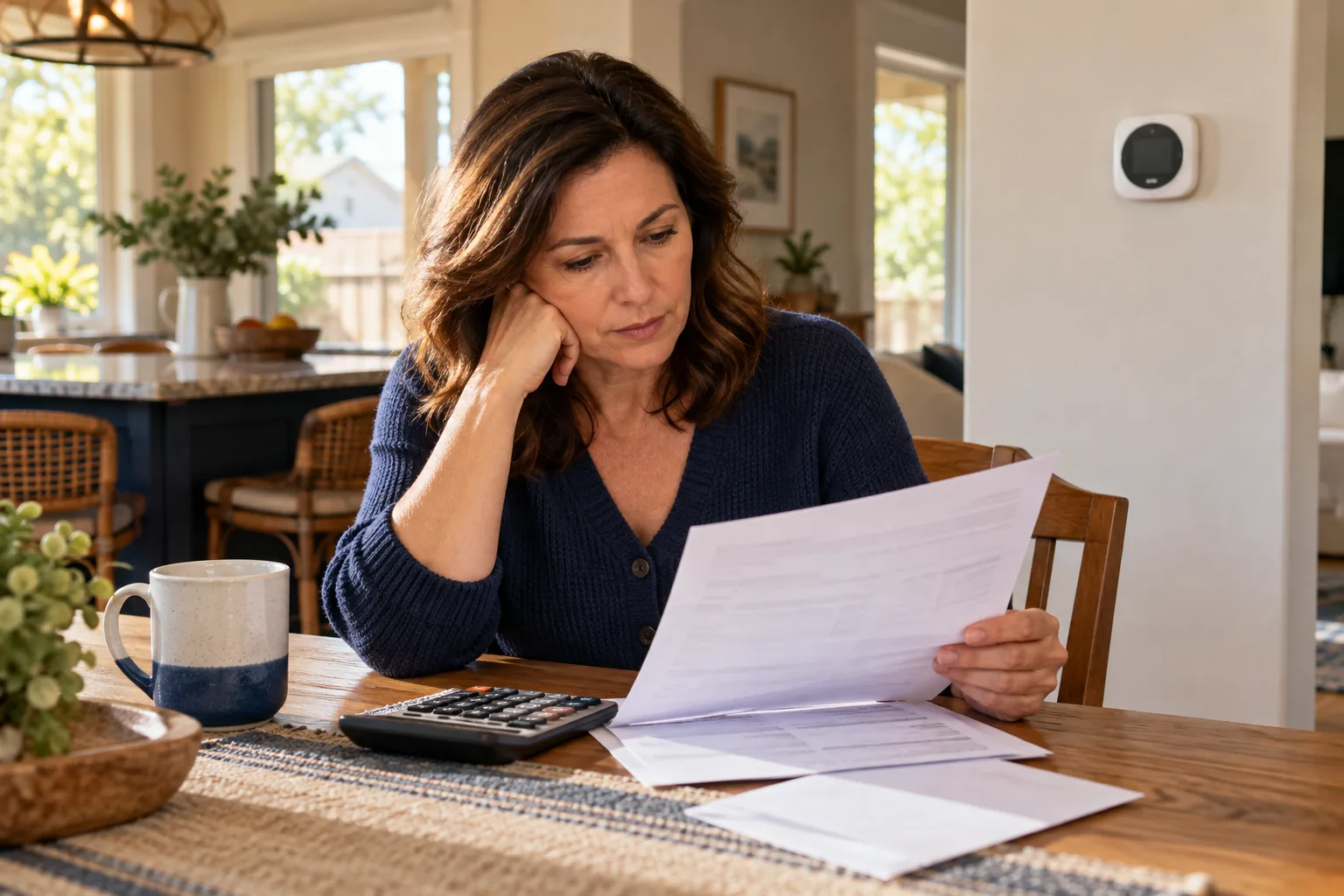
Illustrative AI-generated featured image. This guide provides general homeowner information; equipment-specific instructions come from your manufacturer and service provider.


